
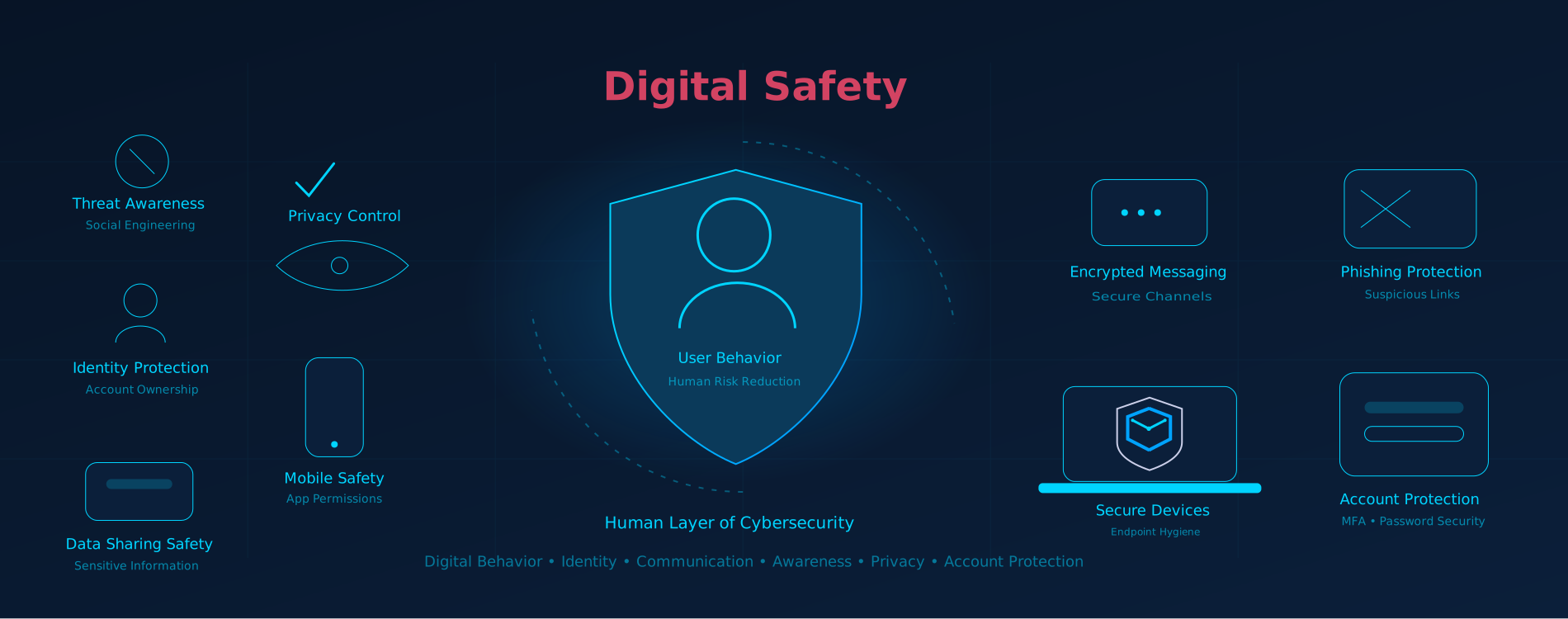
Digital Safety
Protecting people, accounts, devices, communication, and sensitive information through safer digital practices and reduced everyday risk.
Secure Communication Practices
We help reduce risks in everyday communication by improving how email, messaging platforms, and shared information are handled, lowering exposure to phishing, impersonation, and accidental data sharing.
Account & Identity Protection
We strengthen protection around user accounts by improving password practices, authentication methods, and awareness of common identity-based attacks that often lead to unauthorized access.
Device Safety & Daily Usage
We promote safer use of laptops, smartphones, and work devices through better security settings, update awareness, and practical usage habits that reduce everyday exposure to digital threats.
Phishing & Social Engineering
We help users recognize manipulation attempts such as deceptive emails, malicious links, impersonation messages, and other tactics commonly used to gain unauthorized access or sensitive information.
Safe File & Information Sharing
We encourage safer handling of sensitive files and information by improving how documents are stored, shared, and accessed, reducing risks of accidental exposure or uncontrolled distribution.
Privacy & Exposure Reduction
We help reduce unnecessary digital exposure by improving privacy settings, managing application permissions, and promoting safer browsing and online behavior practices.
DIGITAL SAFETY OVERVIEW
Where Human-Centered Digital Risk Appears
Everyday actions such as email use, file sharing, account access, and device activity can create exposure when safer practices are not consistently applied.
Human Risk Surface
Behavior LayerUser Actions
Daily behavior can reduce or increase digital exposure.
Common Risk Triggers
Unknown Links
Disguised or suspicious URLs
Password Reuse
Repeated credentials across services
Public Sharing
Open access to sensitive files
Urgent Requests
Messages designed to bypass checks
Excess Permissions
Apps asking for unnecessary access
Unknown Contacts
Unverified identity and impersonation
Key Exposure Areas
Daily Operations
Email & Link Safety
High
Account Protection
Critical
File Handling
High
Device Hygiene
Important
Privacy Control
Moderate
Protection Focus
Practical Controls
✓
Awareness
Spot suspicious behavior.
⌁
Verification
Confirm before acting.
⊚
Access Discipline
Reduce unnecessary exposure.
▣
Safer Habits
Improve daily digital use.
Communication
Email, chat, shared channels
Identity
Passwords and authentication
Devices
Laptops, phones, workstations
Information
Files, links, permissions