
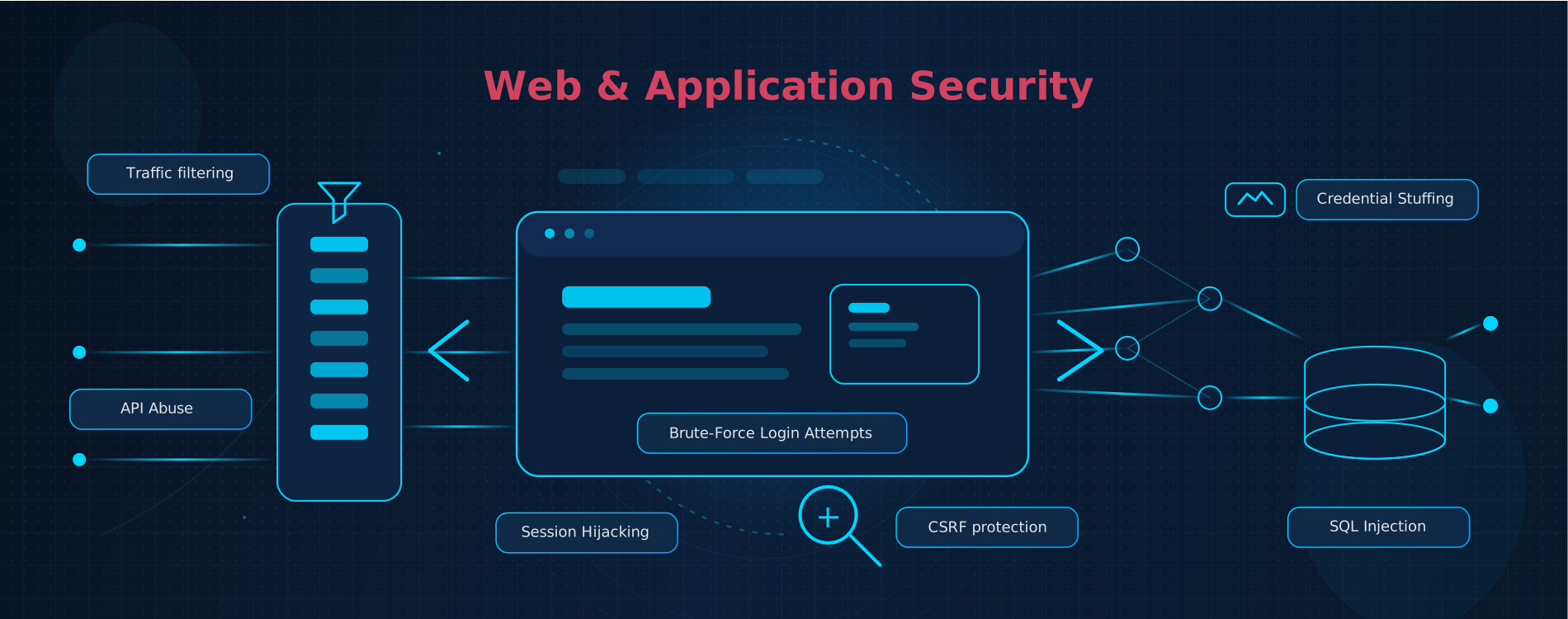
Web & Application Security
Modern websites and applications are constantly targeted by automated bots, credential attacks, exploit attempts, malicious input, insecure integrations, and exposed admin paths. A single weakness in authentication, code logic, third-party components, or API design can lead to data loss, defacement, service interruption, or full system compromise. Web & Application Security focuses on reducing that attack surface and building stronger, safer digital services from the start.
We help secure the full application surface — from login pages and admin panels to APIs, databases, sessions, and deployment pipelines.
Secure Web Architecture
We design and strengthen the application foundation to reduce exposure, eliminate insecure defaults, and ensure the platform is built on a safer structure. This includes hardening the web stack, separating sensitive components, and limiting unnecessary access across the environment.
Identity & Access Protection
We protect user accounts, administrator areas, and sensitive functions through stronger authentication controls, secure session handling, and well-structured access permissions. This helps prevent unauthorized access, privilege abuse, and account compromise.
Application Vulnerability Defense
We help reduce common application weaknesses that attackers actively exploit, including insecure input handling, broken logic, unsafe uploads, and poor validation practices. The goal is to make the application more resilient against real-world attack techniques.
API & Integration Security
We secure APIs and connected services by tightening authentication, controlling data exposure, protecting secrets, and validating incoming requests. This reduces the risk of abuse, unauthorized access, and insecure third-party integration paths.
WAF & Active Threat Filtering
We apply protective layers that inspect, filter, and block suspicious web traffic before it can harm the application. This includes web application firewall strategies, bot mitigation, request control, and visibility into malicious activity targeting the platform.
Patch & Dependency Security
We reduce risk from outdated plugins, libraries, frameworks, and unsupported components by improving update discipline and dependency oversight. This helps close known security gaps and keeps the application safer over time.
Web & Application Security Flow
How Web Threats Reach the Application — and Where We Stop Them
Websites and web applications are continuously exposed to bots, exploit attempts, malicious input, and credential attacks. Strong defense depends on placing intelligent protective controls between hostile traffic and the application components that matter most.
Web Threats
Hostile traffic and common attack activity targeting exposed services
ATTACK
Credential Abuse
Brute-force logins, password spraying, and credential stuffing against exposed access points.
EXPLOIT
Malicious Input
Injection attempts, XSS payloads, manipulated parameters, and hostile request patterns.
AUTOMATION
Bots & Scanners
Reconnaissance traffic, vulnerability probes, scraping, and scripted abuse behavior.
EXPOSURE
Weak Entry Points
Admin panels, public APIs, file uploads, and poorly protected application routes.
01
Protection Layers
Controls that inspect, filter, restrict, and reduce web attack exposure
Active
Defense
Defense
FILTER
WAF & Request Control
Filters malicious patterns, blocks suspicious requests, and reduces exploit reach.
AUTH
Access Hardening
Strengthens authentication, session protection, privileged access, and admin exposure.
LIMIT
Rate Limiting & Bot Defense
Reduces automated abuse, repeated probing, scripted attacks, and suspicious bursts.
VISIBILITY
Logs & Monitoring
Improves detection, traceability, and visibility into malicious or abnormal web activity.
02
Application Components
The sensitive surfaces that need stronger isolation, control, and protection
SURFACE
Website & Front-End
Public-facing content, forms, user flows, sessions, and browser interactions.
PRIVILEGED
Admin Panel
Back-office dashboards and privileged interfaces frequently targeted by attackers.
CONNECTED
API & Integrations
Application interfaces, tokens, secrets, and third-party service connections.
CORE
Data & Backend Logic
Business logic, database-linked operations, uploaded content, and processing flows.
Threats Identified
Exposed inputs, automated abuse, hostile requests, and weak entry points
Controls Applied
Filtering, hardening, rate limiting, session protection, and visibility
Attack Surface Reduced
Safer websites, admin paths, APIs, and backend-linked application areas
Threat Landscape
Threats We Help Reduce
Modern websites and applications face repeated probing, automated abuse, exposed access paths, and common exploit patterns. We help reduce this exposure by hardening the platform, filtering hostile traffic, and improving control across critical web surfaces.
Application Threat Board
Monitoring Active
HIGH RISK
SQL Injection
Malicious input targeting queries, parameters, forms, or data-processing logic.
HIGH RISK
Cross-Site Scripting
Injected browser-side scripts targeting forms, reflected input, or unsafe output handling.
ACCESS
Broken Access Control
Weak privilege boundaries allowing unauthorized actions or access to restricted areas.
SESSION
Session Abuse
Weak session handling, insecure tokens, or hijack opportunities around authenticated use.
LOGIN
Credential Stuffing
Automated attempts using leaked usernames and passwords against exposed login surfaces.
LOGIN
Brute-Force Attempts
Repeated password guessing against admin panels, portals, and authentication endpoints.
AUTOMATION
Malicious Bots
Scanning, scraping, abuse automation, and hostile scripted interaction with web endpoints.
EXPOSURE
Admin Panel Exposure
Publicly reachable management interfaces that increase attack surface and abuse likelihood.
UPLOAD
Insecure File Uploads
Weak validation around uploaded files that can lead to storage abuse or code execution risk.
API
API Abuse
Improperly protected endpoints exposed to enumeration, misuse, token abuse, or data leakage.
COMPONENT
Plugin Exploitation
Outdated or weak third-party components becoming an easy path for compromise.
CONFIG
Security Misconfiguration
Weak defaults, unnecessary exposure, missing headers, and unsafe operational settings.
Attack Patterns
Input abuse, authentication attacks, hostile automation, and exposed interfaces
Common Targets
Login pages, admin paths, APIs, upload routes, plugins, and backend-linked functions
Protection Goal
Reduce exploitability, limit exposure, strengthen control, and improve detection