
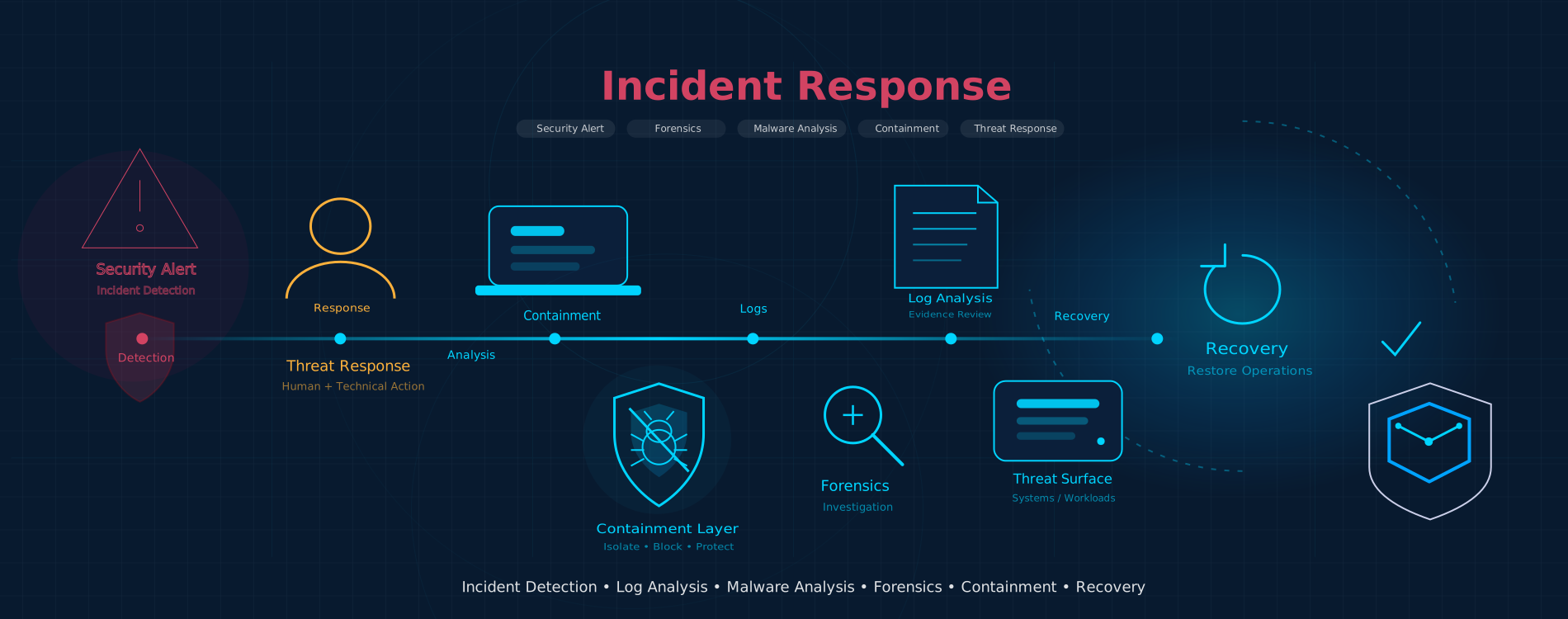
Incident Response
Cyber incidents such as unauthorized access, malware infections, data exposure, or service disruption can occur even in well-protected environments. A structured incident response process ensures threats are identified quickly, contained effectively, investigated thoroughly, and resolved with minimal operational impact.
Incident Response Capabilities
1. Incident Detection & Alert Triage
We analyze security alerts, system logs, and abnormal activity patterns to quickly identify potential incidents. Suspicious behavior such as unauthorized access attempts, malware indicators, or unusual traffic patterns is evaluated to determine risk level and required response actions.
2. Threat Containment Actions
We apply immediate containment measures to stop threats from spreading across systems. Actions may include isolating affected devices, blocking malicious IP addresses, disabling compromised accounts, or restricting network access to prevent further impact.
3. Digital Forensics & Investigation
We investigate the root cause of the incident by analyzing logs, system activity, and security events. This process helps determine how the incident occurred, what systems were affected, and what actions are required to prevent recurrence.
4. Malware Analysis Support
Suspicious files and indicators are examined to identify malicious behavior and potential system compromise. This analysis helps determine threat severity and guides appropriate remediation actions.
5. System Recovery & Remediation
We support restoration of affected systems to a secure and operational state. Recovery actions may include removing malicious components, restoring clean backups, applying patches, and strengthening configurations to prevent future incidents.
6. Incident Documentation & Reporting
Each incident is documented with clear technical details describing timeline, impact, root cause, and mitigation steps. Proper documentation supports transparency, compliance requirements, and continuous improvement of security posture.
Response Process Overview
Cyber incidents such as unauthorized access, malware infections, data exposure, or service disruption can occur even in well-protected environments. A structured incident response process ensures threats are identified quickly, contained effectively, investigated thoroughly, and resolved with minimal operational impact.
INCIDENT RESPONSE OVERVIEW
From Security Alert to Controlled Recovery
A strong incident response capability helps organizations detect abnormal activity, evaluate severity, contain threats, restore operations, and improve resilience after the incident.
Response Dashboard
How Incident Response Works in Practice
Active Monitoring Logic
82%
Detection Readiness
68%
Containment Speed
91%
Recovery Control
🔎
Detection
Recognize suspicious activity early through alerts, abnormal behavior, and reported anomalies.
📊
Assessment
Understand scope, affected assets, possible exposure, and severity before major action.
🚧
Containment
Restrict spread by isolating systems, blocking access paths, and controlling exposure quickly.
♻
Recovery
Restore trusted operations, validate integrity, and monitor for abnormal behavior after the incident.
🔎
Detect
📊
Assess
🚧
Contain
♻
Recover
Why this matters:
even when preventive controls exist, incidents can still happen. A structured response process reduces confusion,
limits spread, preserves trust, and helps restore operations faster.
Severity Comparison
Incident Impact View
Low
Single event / limited exposure
Medium
Multiple assets / moderate disruption
High
Business interruption / critical systems
Incidents are not all equal. Response priority depends on scope, sensitivity, business disruption, and active threat behavior.
Operational Signals
What Teams Look For
🔐
Suspicious Logins
Unexpected access attempts or authentication anomalies
📧
Phishing Activity
Malicious emails, account prompts, or user-reported deception
🦠
Malware Indicators
Unusual processes, file changes, alerts, or persistence behavior
🌐
Service Disruption
Website issues, downtime, abnormal traffic, or unstable operations
Response Priorities
Key Actions During an Incident
Confirm the event
Separate real incidents from false alarms using logs, alerts, and observed evidence.
Understand the scope
Identify affected users, systems, services, and possible data exposure.
Stop further spread
Restrict access, isolate systems, block malicious connections, and reset credentials if needed.
Restore trusted operation
Recover services carefully, validate integrity, and monitor for abnormal behavior.
Typical Incident Types
Examples of Events Requiring Response
📧 Phishing and suspicious email activity
🔑 Compromised credentials or account access
🦠 Malware or ransomware infection
🌍 Website compromise or defacement
📂 Sensitive data exposure or leakage
📡 Abnormal network traffic or scanning behavior
Business Value
Why Response Capability Matters
Damage Reduction
85%
Operational Continuity
78%
Recovery Confidence
90%
Good incident response is not only technical. It protects continuity, trust, reputation, and decision-making under pressure.