
Showing 1–7 of 7 articles

What to do when you think an account has been taken over
Regaining the password is only the start of account recovery. Check active sessions, recovery details, mailbox rules, connected applications, and the device used to sign in.
Read the visual guide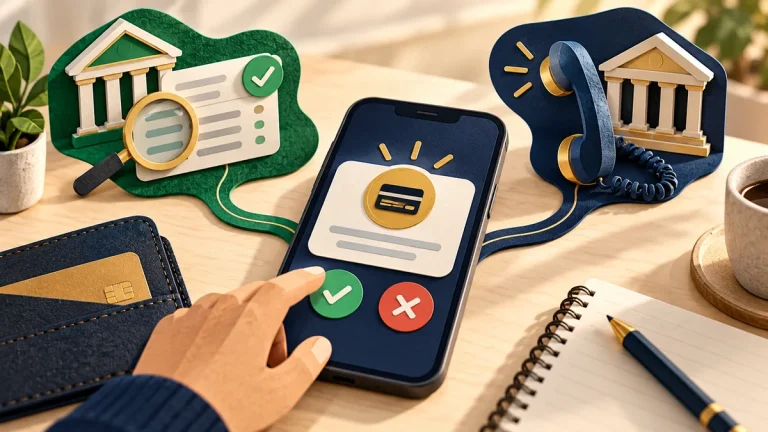
What to do with a bank or payment alert you did not start
An alert might describe real account misuse or be part of a scam itself. Use the service’s established app or a trusted contact number to distinguish the two.
Read the visual guide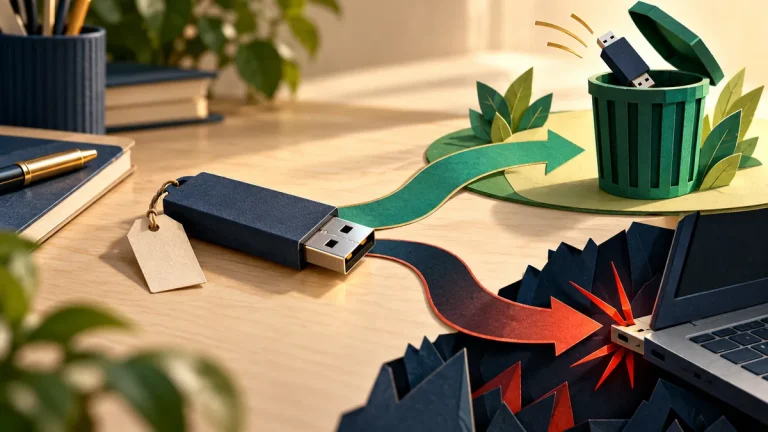
What to do with a USB stick you do not recognise
An unknown USB device is not just an unexplained set of files. Connecting it can expose a computer to unexpected hardware behavior as well as unsafe content.
Read the visual guide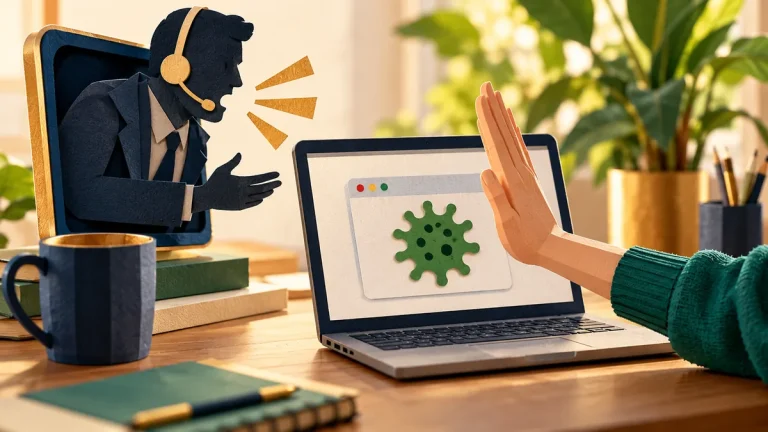
What to do when someone says your computer is infected
An alarming pop-up or unsolicited caller may claim your computer is infected. Do not grant remote access or make a payment on that person’s instructions.
Read the visual guide
What to do in the first hour after you click a bad link
What happened after the click matters. Simply opening a page, entering a password, approving a request, and running a file call for different responses.
Read the visual guide
Business email compromise: verify bank changes before paying
A convincing invoice can arrive from a real but compromised mailbox. Protect the payment decision with independent verification of changes to the beneficiary or account details.
Read the visual guide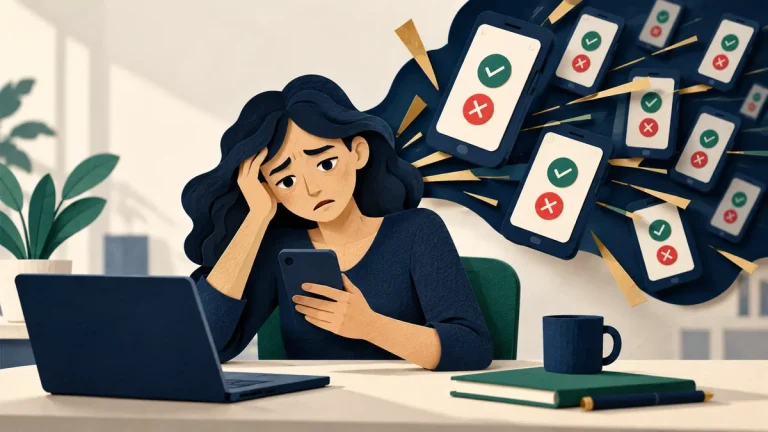
MFA push fatigue: what to do with unexpected approval requests
Repeated sign-in prompts can pressure someone into approving access they did not start. Treat an unexpected approval request as a signal to stop, verify, and investigate.
Read the visual guide