
Showing 1–12 of 20 articles
Page 1 of 2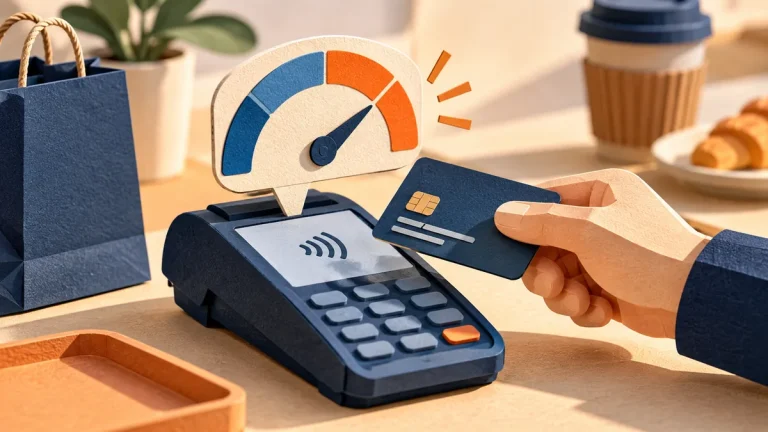
Re-check a payment limit at the moment you pay
A limit checked before a payment can become stale while other requests are processed. Enforce the business rule at the transaction boundary, including concurrent actions and retries.
Read the visual guide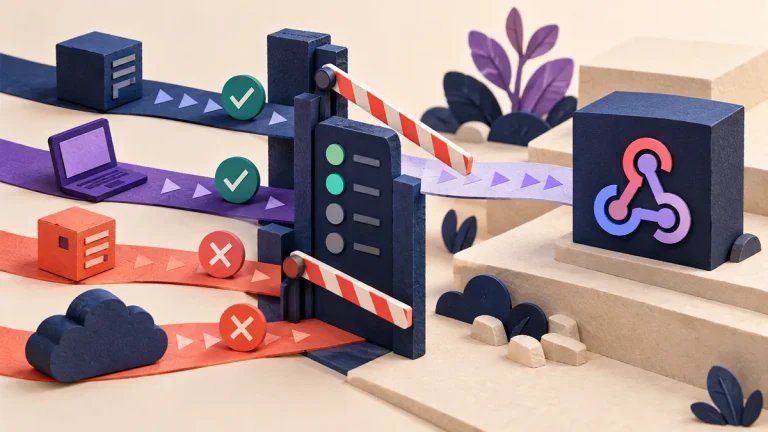
Check who is allowed to call your webhook
A webhook’s payload and familiar endpoint name do not prove who sent it. Validate the sender using its supported scheme, handle retries deliberately, and authorize the resulting business action.
Read the visual guide
Why two people should approve a payment
A second approval helps only when it independently checks the important details. Tie the review to the actual beneficiary, amount, and transaction that will be released.
Read the visual guide
How a small club loses money through a fake treasurer email
A volunteer group can lose money through a plausible payment request, especially during a change of treasurer. Keep account ownership, payment verification, and a second review explicit.
Read the visual guide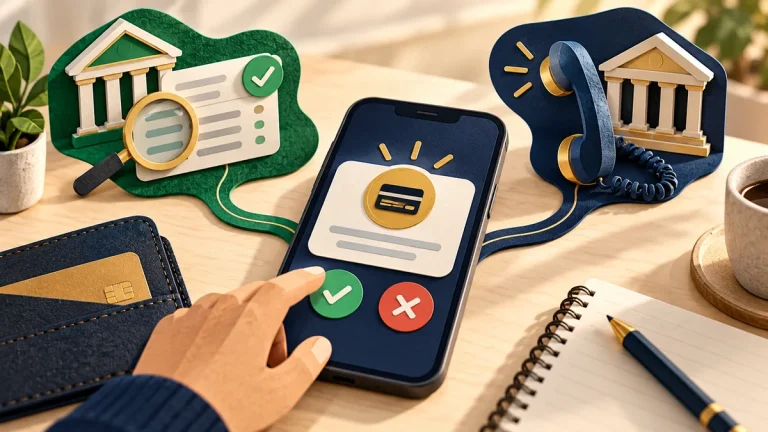
What to do with a bank or payment alert you did not start
An alert might describe real account misuse or be part of a scam itself. Use the service’s established app or a trusted contact number to distinguish the two.
Read the visual guide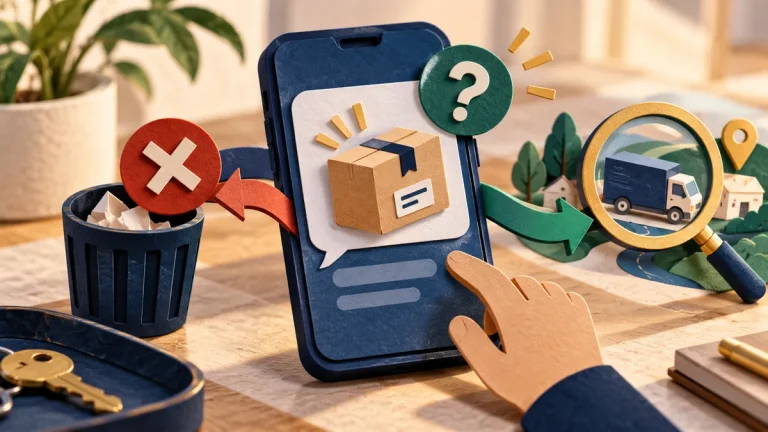
What to do with a delivery text you were not expecting
An unexpected delivery message may use a small fee or an address problem to collect card details. Check the parcel through the courier’s established app or website.
Read the visual guide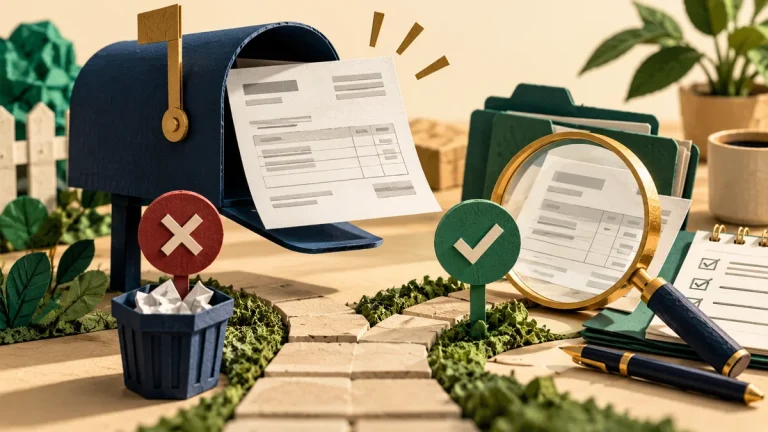
What to do with an invoice you were not expecting
An invoice can look routine while naming the wrong beneficiary or describing work that was never agreed. Check the business context and destination before paying.
Read the visual guide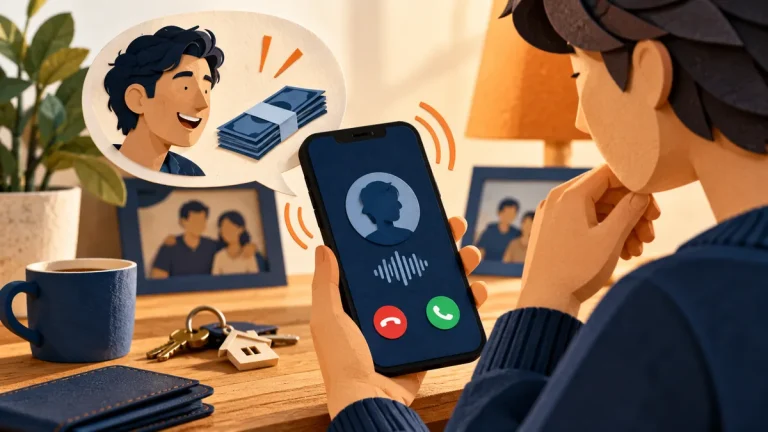
What to do when a familiar voice asks you for money
A familiar-sounding voice is not enough to confirm identity. When a call asks for money or secrecy, verify the situation through another known contact route.
Read the visual guide
How to set up a child’s game account without handing over yours
A child’s game account should not depend on handing over a parent’s email, payment account, or password. Use the platform’s family features and age-appropriate controls.
Read the visual guide
How to give after a disaster without paying a copycat
An urgent appeal can impersonate a real charity. Find the organization independently and confirm the donation route before entering payment details.
Read the visual guide
How to tell a fake shop from a real one before you pay
A polished storefront and a secure connection do not prove that a seller will deliver. Look for a verifiable business, credible contact details, and payment options with understandable protections.
Read the visual guide
How to check a job offer before you pay or send documents
A convincing recruitment message can be a way to collect payments or identity documents. Confirm the vacancy and recruiter through the employer’s independently found contact details.
Read the visual guide