
How to write a privacy notice people can finish reading
A readable privacy notice starts with the real processing, not a template. Explain who handles information, why, with whom it is shared, how long it is kept, and how people can make requests.

Security Guides
A readable privacy notice starts with the real processing, not a template. Explain who handles information, why, with whom it is shared, how long it is kept, and how people can make requests.

Strong sign-in protection can be undermined by a weaker recovery process. Review every way to regain access, including support-assisted changes and replacement recovery details.
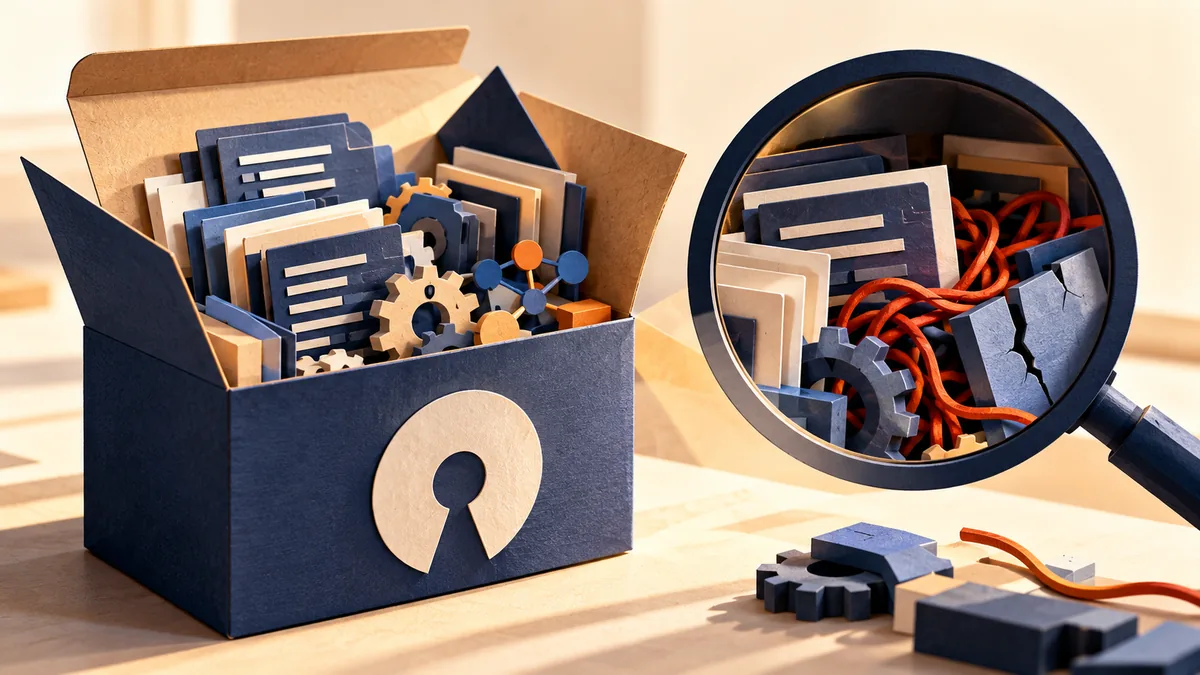
Being able to inspect source code is valuable, but it does not prove that a component has been reviewed or is safe for your use. Assess the actual dependency and its operating context.

Knowing an employee’s name, manager, or urgent problem does not prove identity. Use an approved verification process before resetting access or changing recovery details.

A second approval helps only when it independently checks the important details. Tie the review to the actual beneficiary, amount, and transaction that will be released.

Storage encryption and connection encryption protect different parts of a data journey. Neither replaces the decision about who can ask the service to reveal the information.

A useful label changes how information is stored, shared, or retained. Keep the scheme small enough for people to apply and connect it to the tools they actually use.

A short exercise can reveal whether people know who decides, who contacts whom, and how recovery would begin. Use a realistic scenario and finish with a small, owned action list.
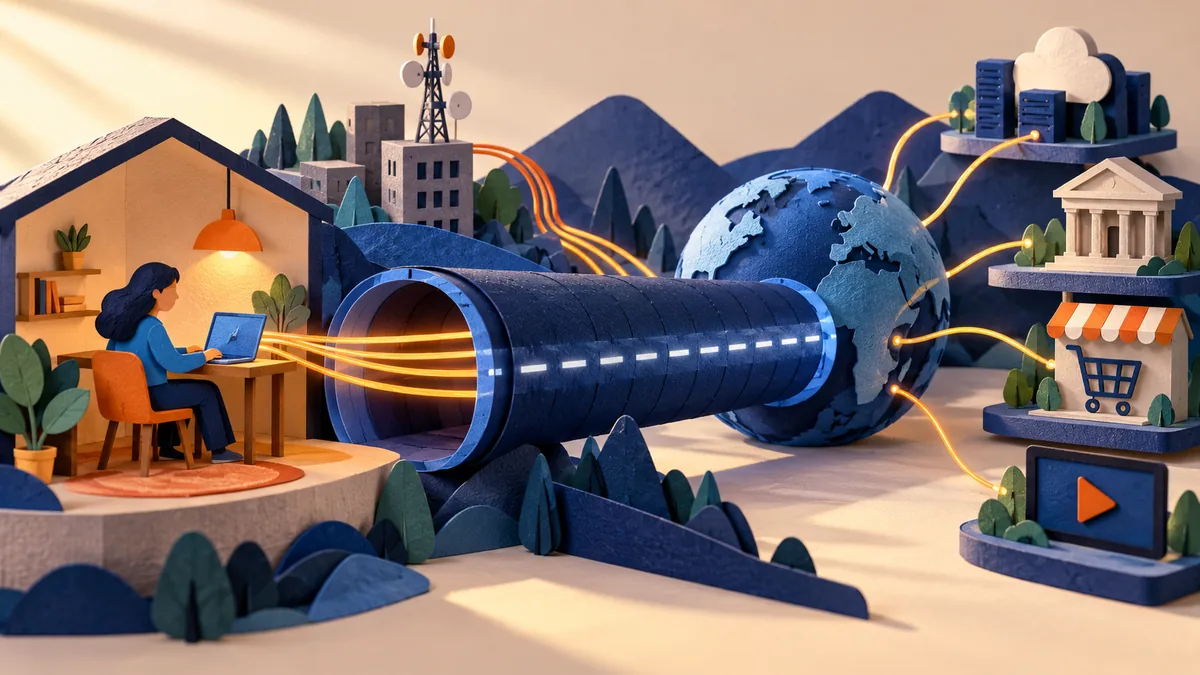
A VPN protects a connection between its configured endpoints. Your traffic still reaches destinations, and the device, provider, and account choices remain part of the privacy picture.

A sharing link should serve a specific task and audience. Named recipients, suitable permissions, and an expiry date can reduce access that continues after the work is done.