
Showing 13–20 of 20 articles
Page 2 of 2
When someone you met online asks you for money
A relationship built through messages can still involve a false identity. Requests for urgent transfers, investments, or secrecy deserve an independent pause and check.
Read the visual guide
What to do when a message says a relative is in trouble
A frightening message can make verification feel like a delay. Contact the relative through a number or channel you already know before sending money or sharing an authentication code.
Read the visual guide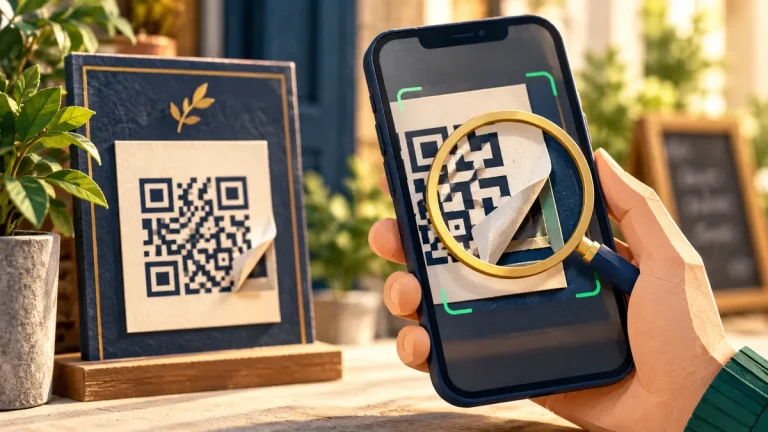
What to check before you scan a QR code
A QR code is a shortcut to information, often a website address. The important question is where it takes you and what that destination asks you to do.
Read the visual guide
What the padlock in the address bar means
HTTPS helps protect the connection to the address you opened. It does not establish that the organization behind that address is honest or that a payment request is legitimate.
Read the visual guide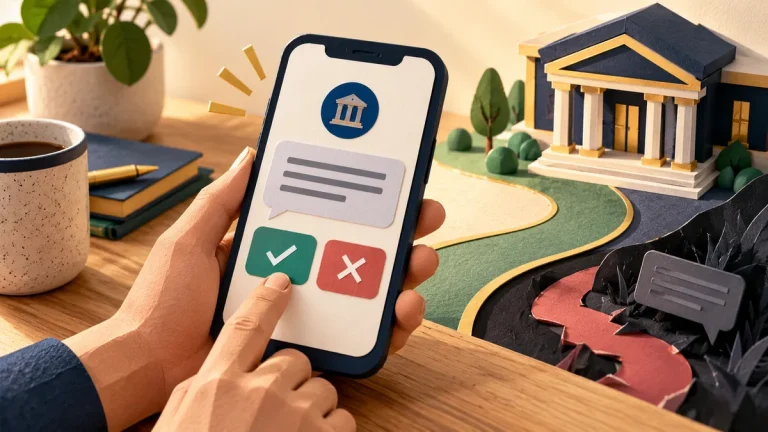
What to do when a text says it is from your bank
A message that looks like it came from your bank may be trying to lead you elsewhere. Open the bank’s usual app or use a number you already trust to check the claim.
Read the visual guide
Business email compromise: verify bank changes before paying
A convincing invoice can arrive from a real but compromised mailbox. Protect the payment decision with independent verification of changes to the beneficiary or account details.
Read the visual guide
Phishing beyond the email filter: verify the request, not the badge
An email that passes technical checks can still ask you to do something harmful. A trusted sender’s account may be compromised, and a plausible message may lead to an unsafe action.
Read the visual guide
API business-logic abuse: valid requests can still cause harm
An API request can be correctly formatted and still misuse a workflow. Review the business outcome, especially repeated actions, ownership checks, and limits that span several requests.
Read the visual guide