
Showing 1–8 of 8 articles
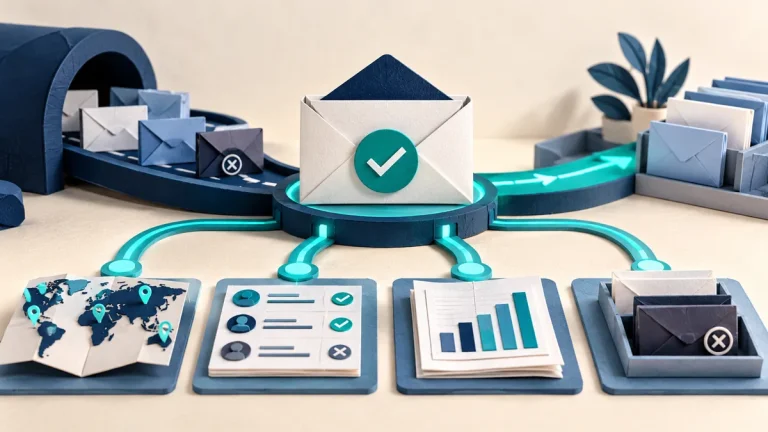
What to check after you turn DMARC on
Publishing a DMARC record starts an ongoing process. Verify legitimate mail streams, review alignment failures, and make onboarding new senders part of normal change control.
Read the visual guide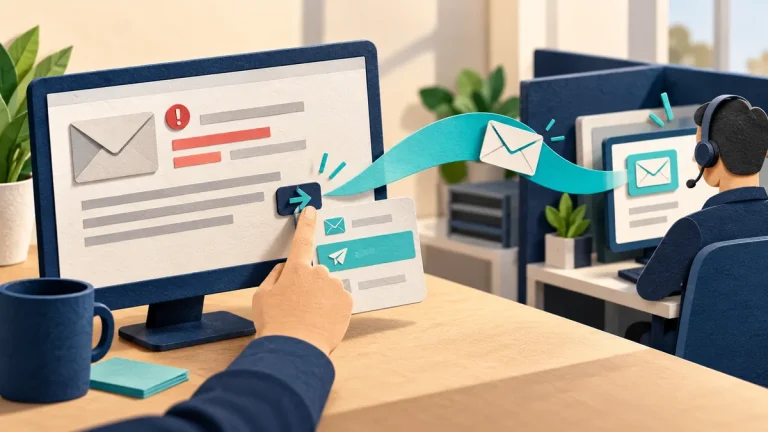
How staff should report a suspicious email
People report more effectively when the route is easy to find and the response is clear. Ask for the message and what happened after it, without encouraging further interaction.
Read the visual guide
Who can send mail as the company
Your domain may appear in messages from staff, marketing tools, websites, and finance services. Record each sender and connect it to an owner and an intended authentication setup.
Read the visual guide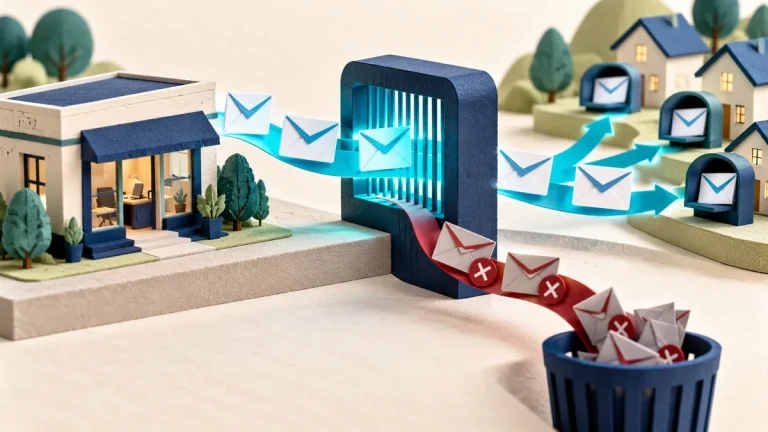
What DMARC does for a small company’s email
DMARC connects your domain’s email authentication results to a published policy. A successful rollout starts with a complete list of legitimate senders and careful delivery checks.
Read the visual guide
How a small club loses money through a fake treasurer email
A volunteer group can lose money through a plausible payment request, especially during a change of treasurer. Keep account ownership, payment verification, and a second review explicit.
Read the visual guide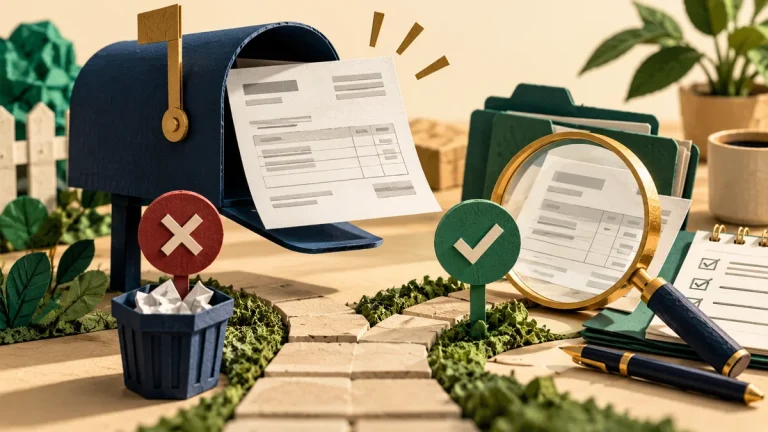
What to do with an invoice you were not expecting
An invoice can look routine while naming the wrong beneficiary or describing work that was never agreed. Check the business context and destination before paying.
Read the visual guide
Business email compromise: verify bank changes before paying
A convincing invoice can arrive from a real but compromised mailbox. Protect the payment decision with independent verification of changes to the beneficiary or account details.
Read the visual guide
Phishing beyond the email filter: verify the request, not the badge
An email that passes technical checks can still ask you to do something harmful. A trusted sender’s account may be compromised, and a plausible message may lead to an unsafe action.
Read the visual guide