
Showing 1–6 of 6 articles
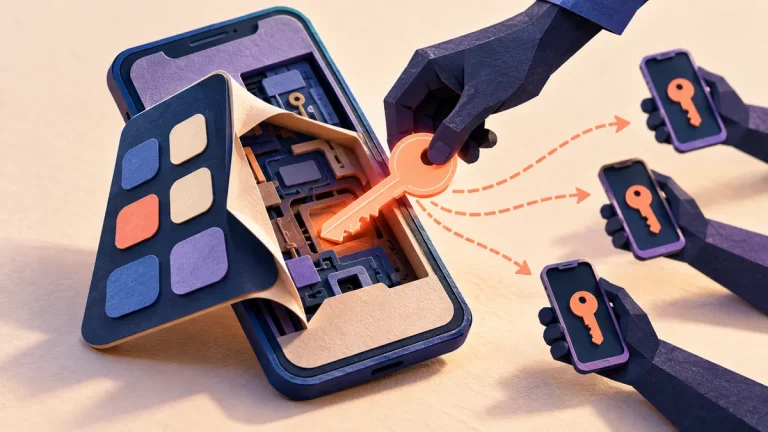
Do not put a secret API key inside a mobile app
An application you distribute to users cannot reliably hide a shared secret embedded in its code or resources. Put privileged authorization behind an appropriate server-side boundary.
Read the visual guide
Work data on phones the company does not own
Bring-your-own-device arrangements need a clear boundary between work information and personal use. Agree what may be stored, what controls apply, and what happens on loss or departure.
Read the visual guide
How a dating app can point at your home
A profile can reveal more location information than its map setting suggests. Photos, routines, workplace details, and linked social accounts can combine into a recognizable pattern.
Read the visual guide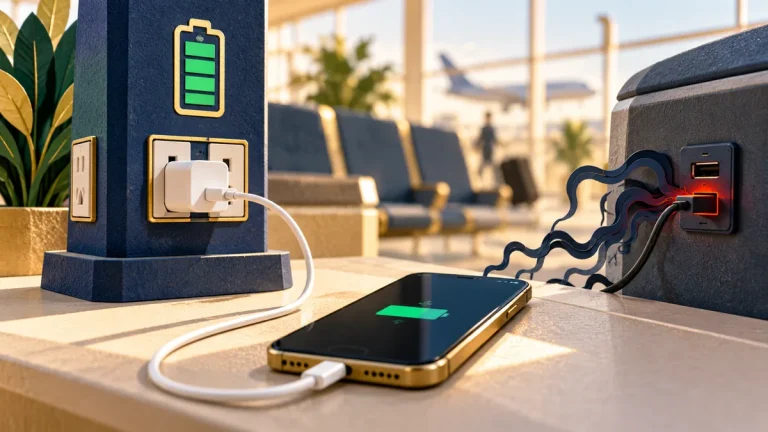
How to charge your phone in public
Using your own charger or a suitable power bank keeps the charging route under your control. Treat any prompt for data access as a separate decision from receiving power.
Read the visual guide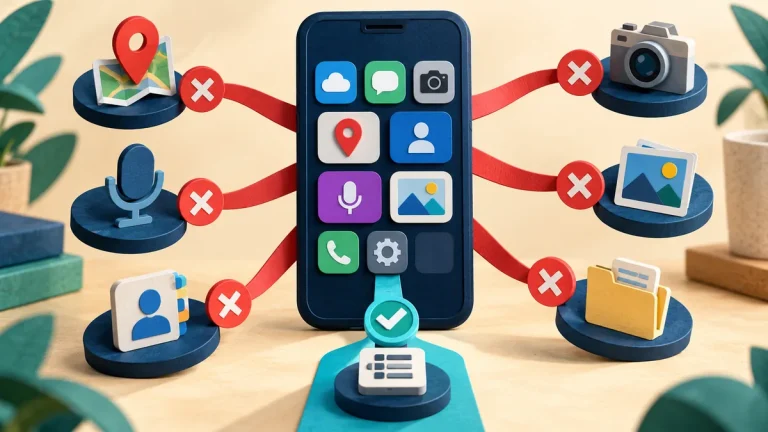
Which phone permissions an app does not need
A permission grants a real capability, such as reading contacts or using the microphone. Ask whether that capability is necessary for the feature you want to use.
Read the visual guide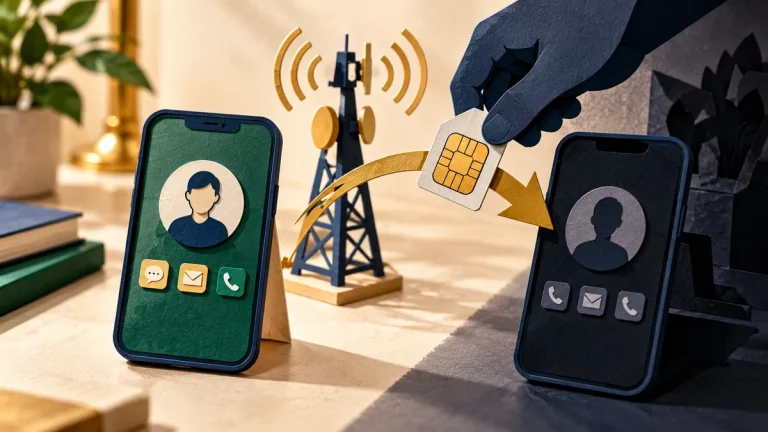
What a SIM swap is, and how to make one harder
If someone takes control of your mobile number, messages and calls intended for you may reach them. Protect the carrier account and review which services rely on that number for recovery.
Read the visual guide