
How a small club loses money through a fake treasurer email
A volunteer group can lose money through a plausible payment request, especially during a change of treasurer. Keep account ownership, payment verification, and a second review explicit.

Digital Safety
A volunteer group can lose money through a plausible payment request, especially during a change of treasurer. Keep account ownership, payment verification, and a second review explicit.

A school portal may hold sensitive family information. Use its established sign-in route, protect account recovery, and independently verify unexpected requests for fees or documents.

A shared album may use named recipients, a public link, or inherited access. Check the sharing model and test what someone outside your account can actually see.

An extension’s permissions determine what it can observe or change. Keep the extensions you need, understand their access, and remove those that no longer have a clear purpose.
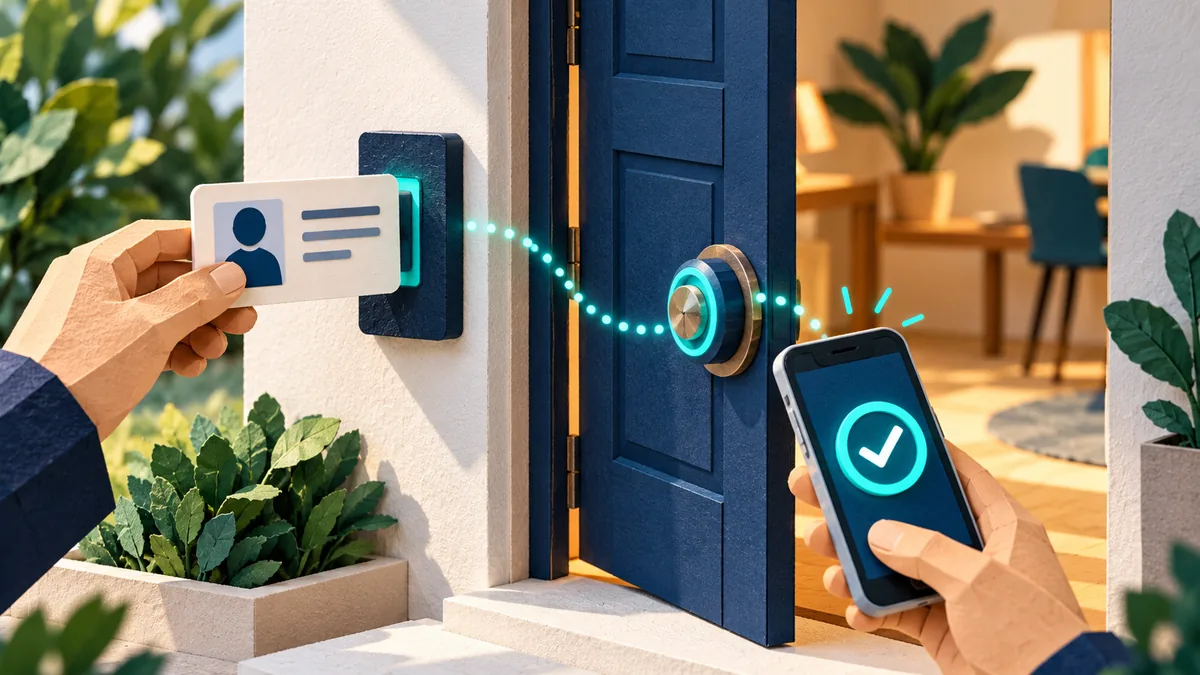
Multi-factor authentication combines different kinds of proof. Choose an appropriate method, protect recovery routes, and learn how to handle a request you did not initiate.
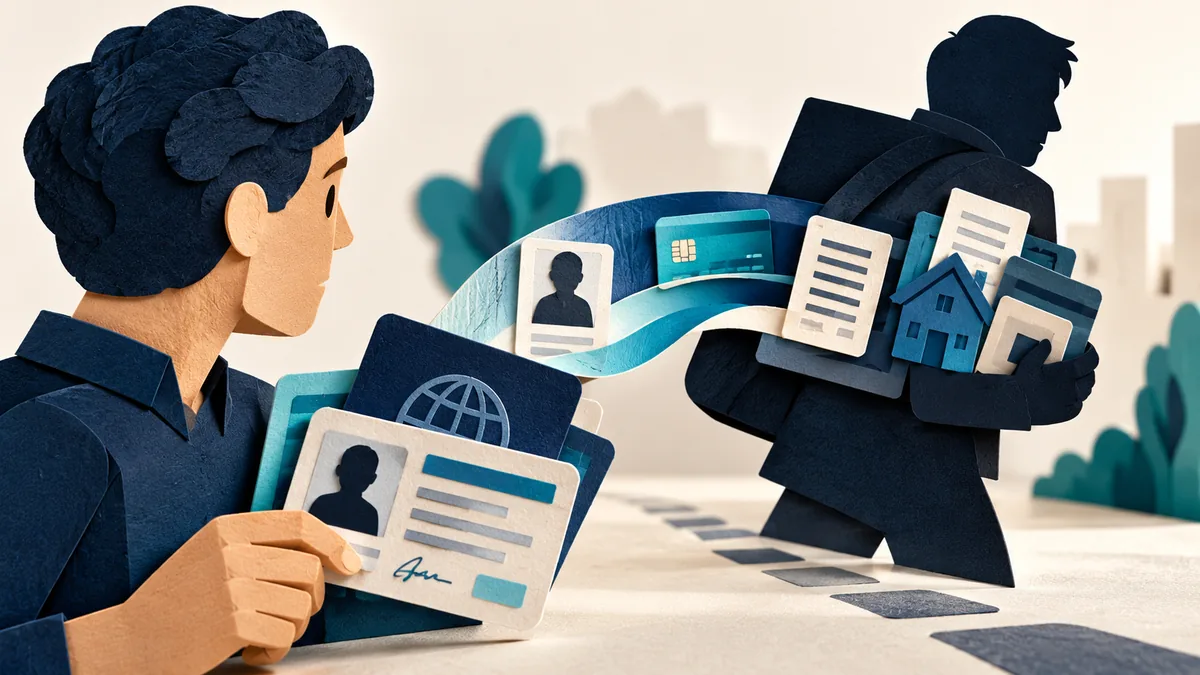
Identity misuse can involve different services and different remedies. Record what you know, secure affected accounts, and contact the organizations handling the actual misuse.

Regaining the password is only the start of account recovery. Check active sessions, recovery details, mailbox rules, connected applications, and the device used to sign in.

An alert might describe real account misuse or be part of a scam itself. Use the service’s established app or a trusted contact number to distinguish the two.

An unexpected delivery message may use a small fee or an address problem to collect card details. Check the parcel through the courier’s established app or website.
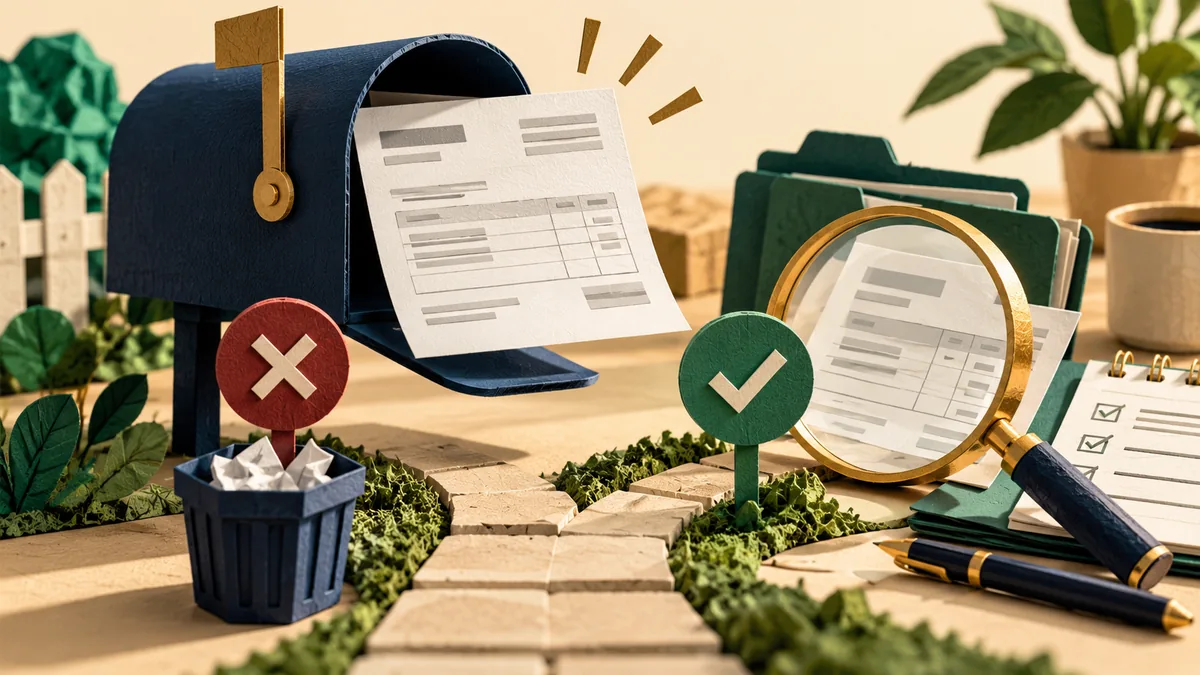
An invoice can look routine while naming the wrong beneficiary or describing work that was never agreed. Check the business context and destination before paying.