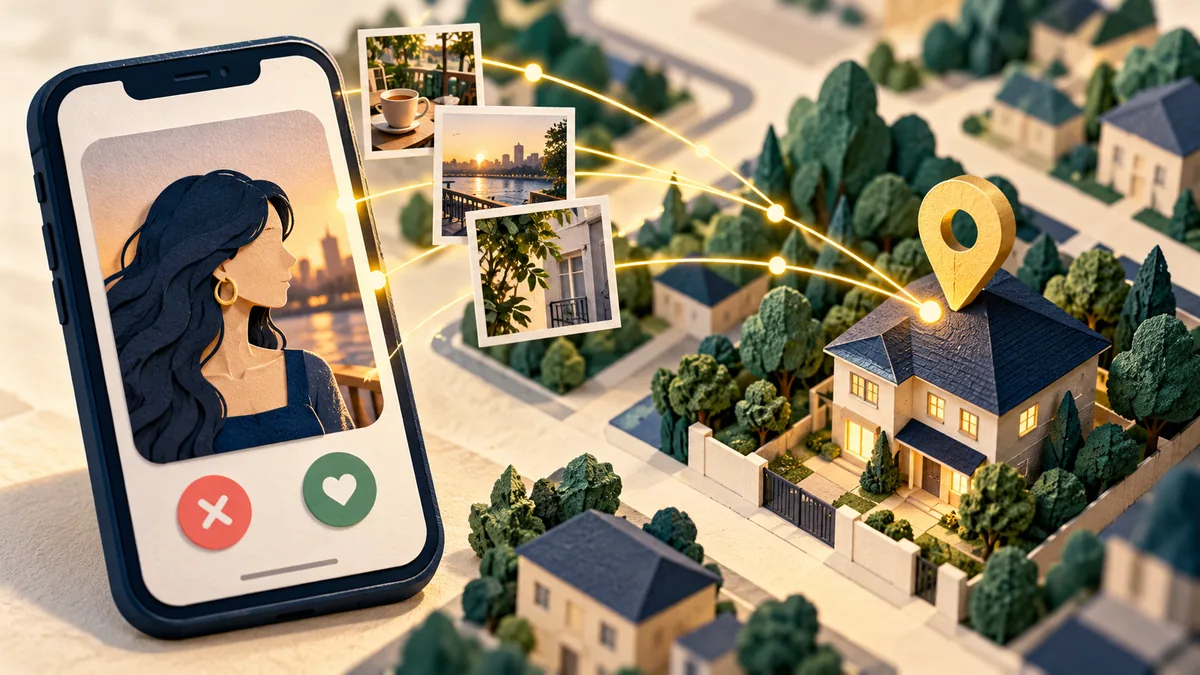
How a dating app can point at your home
A profile can reveal more location information than its map setting suggests. Photos, routines, workplace details, and linked social accounts can combine into a recognizable pattern.

Digital Safety
A profile can reveal more location information than its map setting suggests. Photos, routines, workplace details, and linked social accounts can combine into a recognizable pattern.
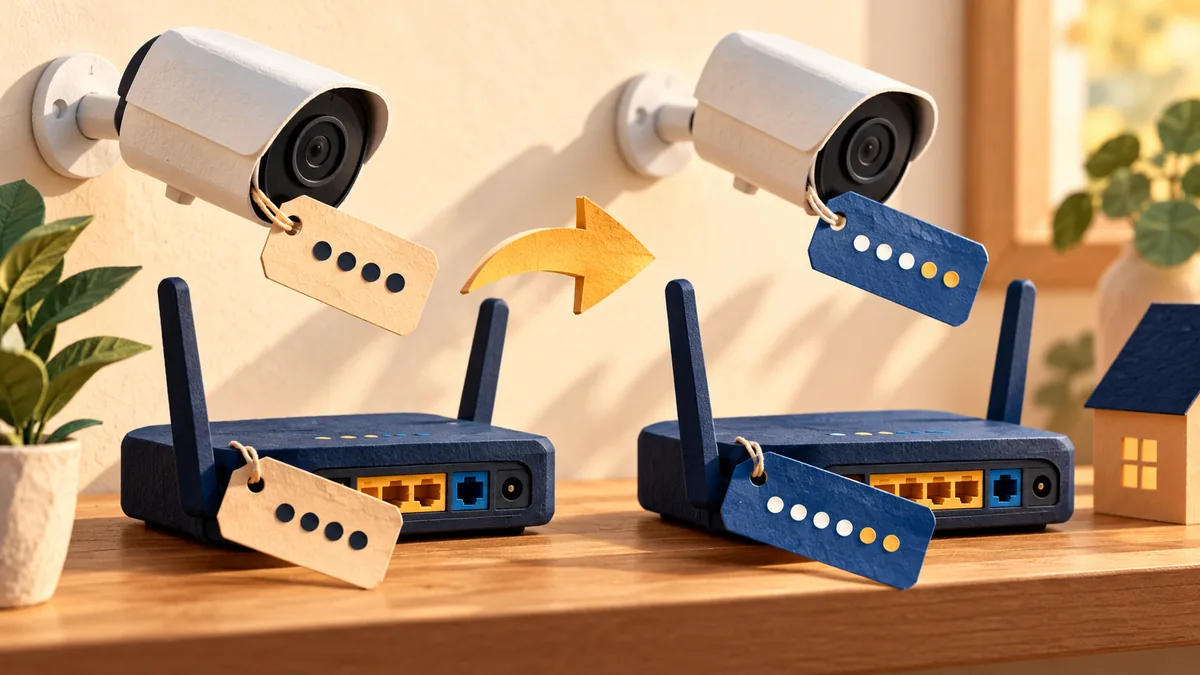
A camera or router’s factory credentials are only part of its access setup. Check local administration, cloud accounts, recovery, and any remote access that remains enabled.

Choose the network deliberately, inspect unexpected sign-in demands, and keep sharing settings appropriate for a public connection. Do not install unfamiliar software to satisfy a hotspot prompt.
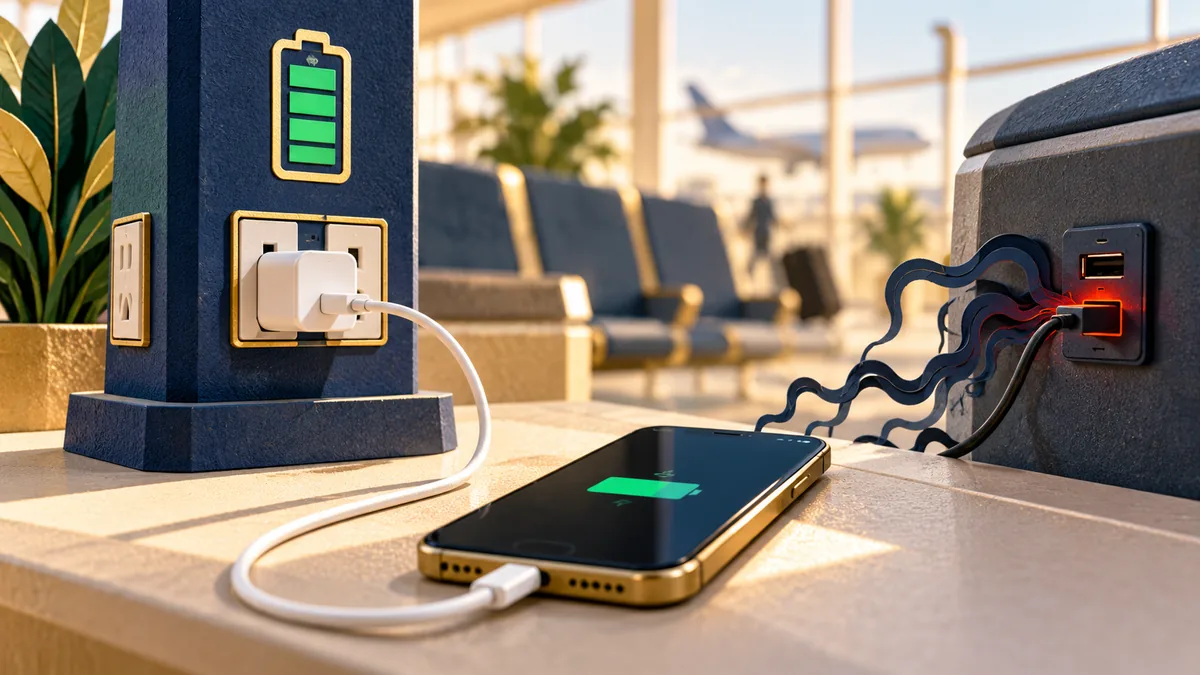
Using your own charger or a suitable power bank keeps the charging route under your control. Treat any prompt for data access as a separate decision from receiving power.
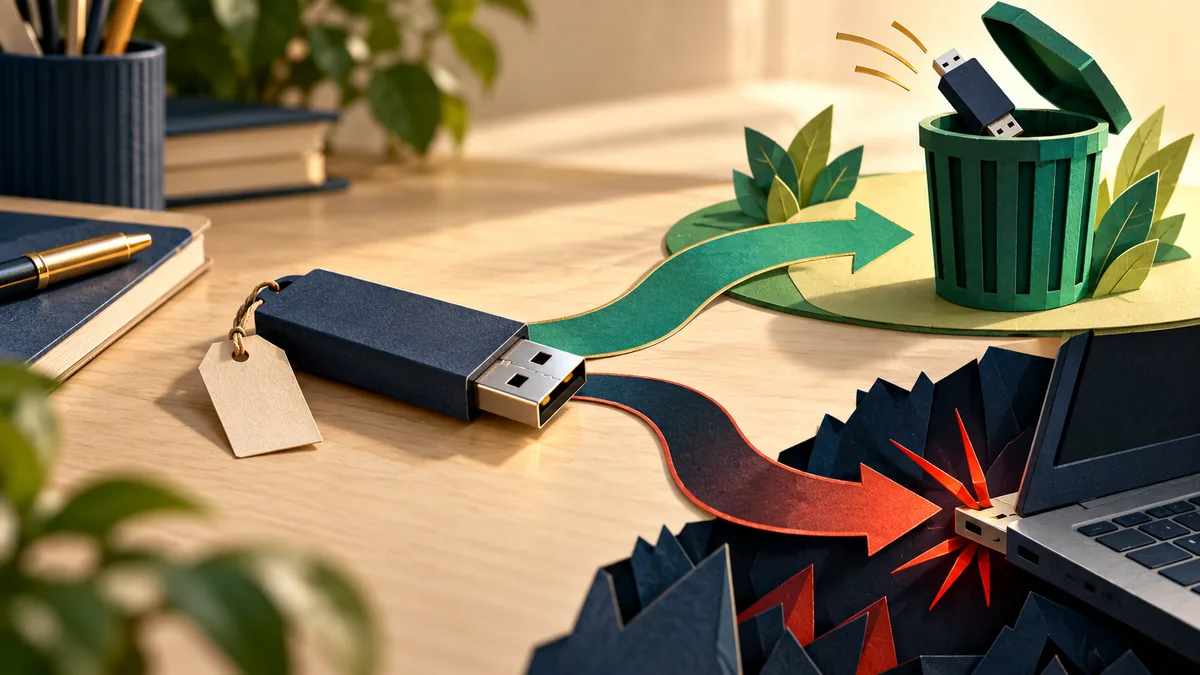
An unknown USB device is not just an unexplained set of files. Connecting it can expose a computer to unexpected hardware behavior as well as unsafe content.

An update prompt should lead back to the software’s established update mechanism or official publisher. A web advertisement claiming an urgent update is a different starting point.
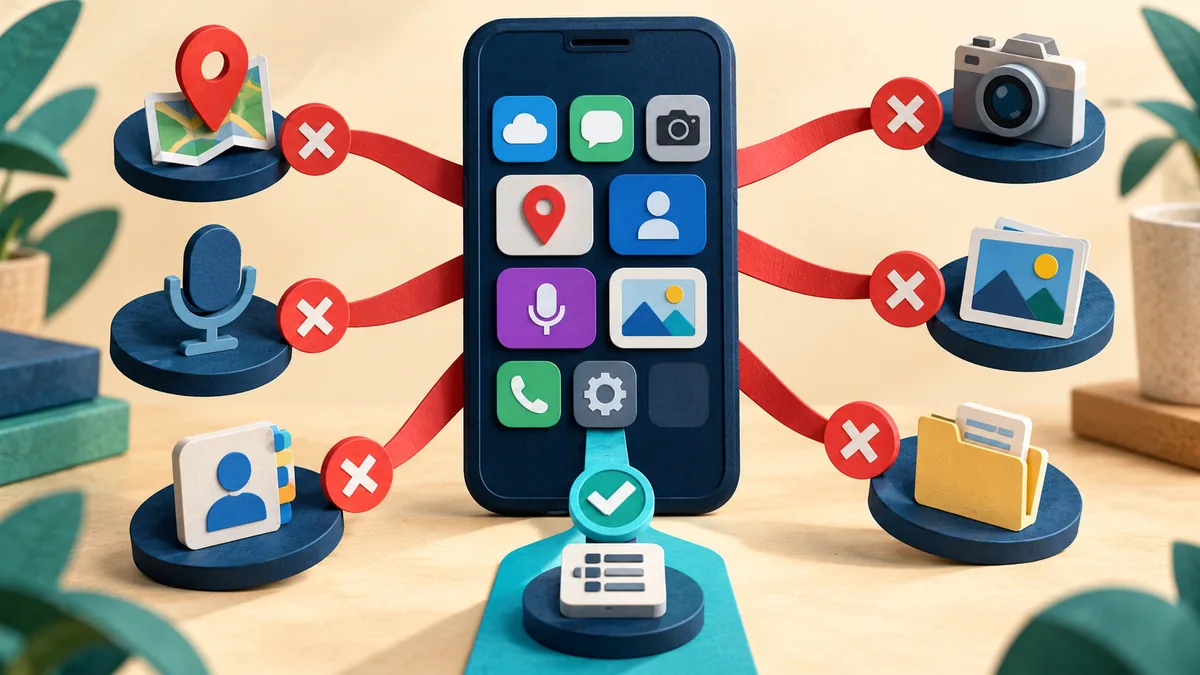
A permission grants a real capability, such as reading contacts or using the microphone. Ask whether that capability is necessary for the feature you want to use.
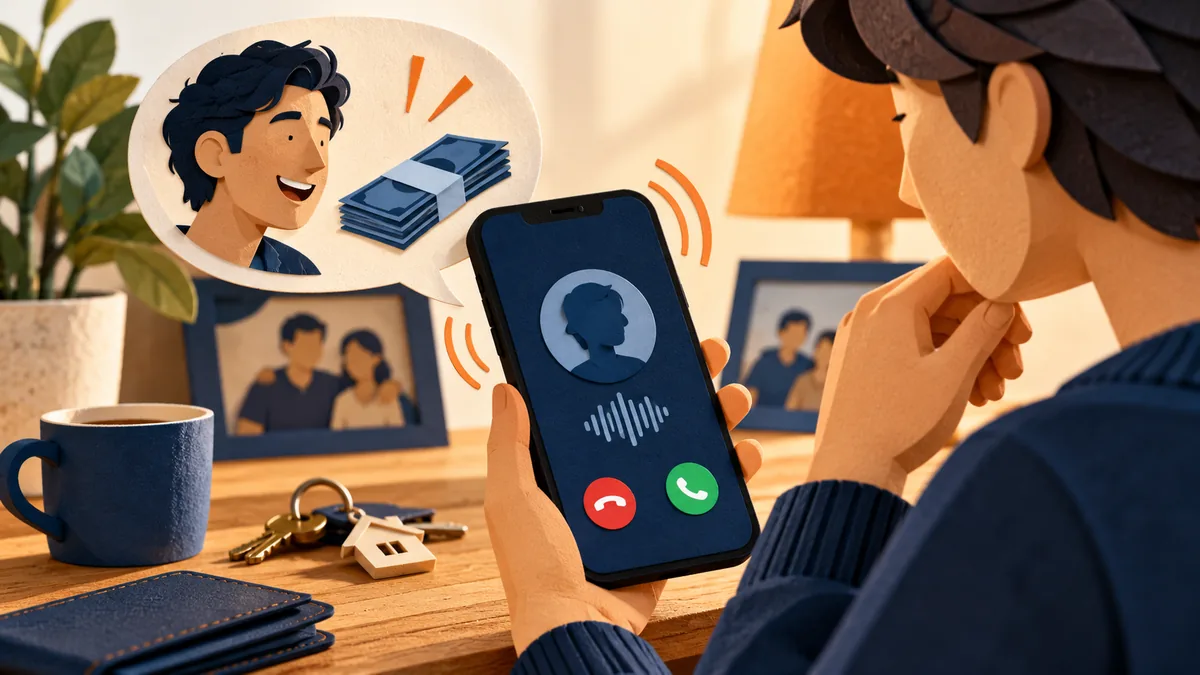
A familiar-sounding voice is not enough to confirm identity. When a call asks for money or secrecy, verify the situation through another known contact route.

A harmless-looking photo can reveal a location, a repeated routine, or details about other people. Review the audience and the information surrounding the image before posting.

A child’s game account should not depend on handing over a parent’s email, payment account, or password. Use the platform’s family features and age-appropriate controls.