
Showing 1–12 of 12 articles

What to put in an evidence pack for a lawyer
An evidence pack should let an authorized legal reviewer understand the sources, timeline, handling, and gaps. Ask counsel to direct legal scope and distribution while keeping the technical record clear.
Read the visual guide
How to show that you deleted someone’s data
A completed deletion ticket is not proof that every copy was removed. Record the systems searched, actions taken, justified retention, and how backups or restoration affect the result.
Read the visual guide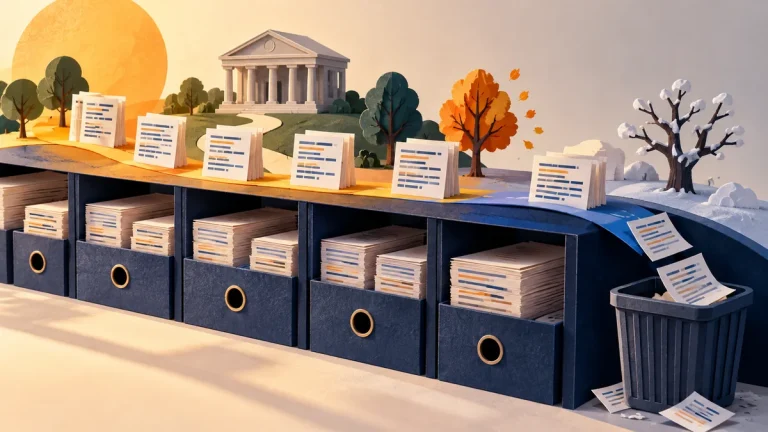
How long to keep security logs
Retention is an operational decision about which events must remain available, for how long, and at what cost and sensitivity. Connect the window to incident questions and real search capability.
Read the visual guide
How to write a privacy notice people can finish reading
A readable privacy notice starts with the real processing, not a template. Explain who handles information, why, with whom it is shared, how long it is kept, and how people can make requests.
Read the visual guide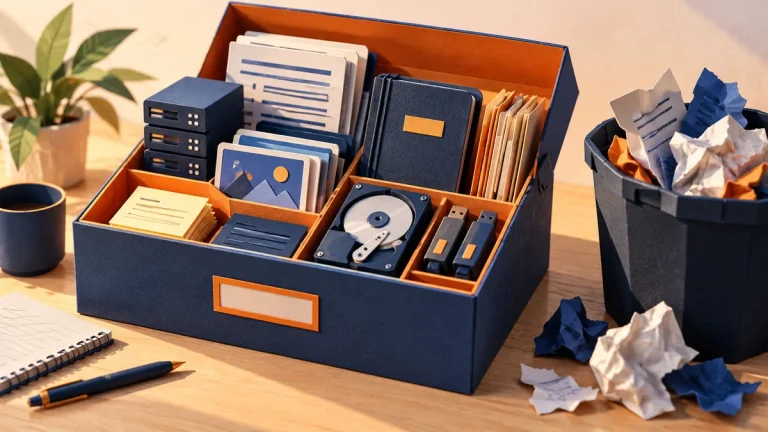
What to keep after a security incident
Useful evidence includes the original record, its source, the collection method, and the limits of what it shows. Keep investigation copies separate from originals and control access to both.
Read the visual guide
Staging sites that are still open on the internet
A staging site can contain production data and powerful integration credentials. Keep its access and outbound behavior deliberately separate from the live service.
Read the visual guide
Work data on phones the company does not own
Bring-your-own-device arrangements need a clear boundary between work information and personal use. Agree what may be stored, what controls apply, and what happens on loss or departure.
Read the visual guide
What encryption at rest and in transit each protect
Storage encryption and connection encryption protect different parts of a data journey. Neither replaces the decision about who can ask the service to reveal the information.
Read the visual guide
How to label data when you do not have a committee
A useful label changes how information is stored, shared, or retained. Keep the scheme small enough for people to apply and connect it to the tools they actually use.
Read the visual guide
What a public post tells someone you have never met
A harmless-looking photo can reveal a location, a repeated routine, or details about other people. Review the audience and the information surrounding the image before posting.
Read the visual guide
How to keep a copy of your files you can actually restore
A synchronized folder is useful, but changes and deletions can synchronize too. Build a separate recovery copy and test that it contains the files and access information you need.
Read the visual guide
Public cloud storage: find exposed files and close access safely
A storage service can encrypt its data and still make it public. Review the paths to the files: identities, bucket or container policies, shared links, and any public delivery layer.
Read the visual guide