
Who can send mail as the company
Your domain may appear in messages from staff, marketing tools, websites, and finance services. Record each sender and connect it to an owner and an intended authentication setup.


Your domain may appear in messages from staff, marketing tools, websites, and finance services. Record each sender and connect it to an owner and an intended authentication setup.

A workable patch routine names an owner, prioritizes exposed and important systems, and checks the affected workflow after an update. Keep exceptions visible rather than indefinitely postponed.

A contract ending does not automatically remove a supplier’s technical access. Use an access register to close named accounts, integrations, remote agents, and shared secrets.

A backup job marked successful does not prove that people can resume work. Restore a representative sample into a safe environment and check the data, access, and dependencies.
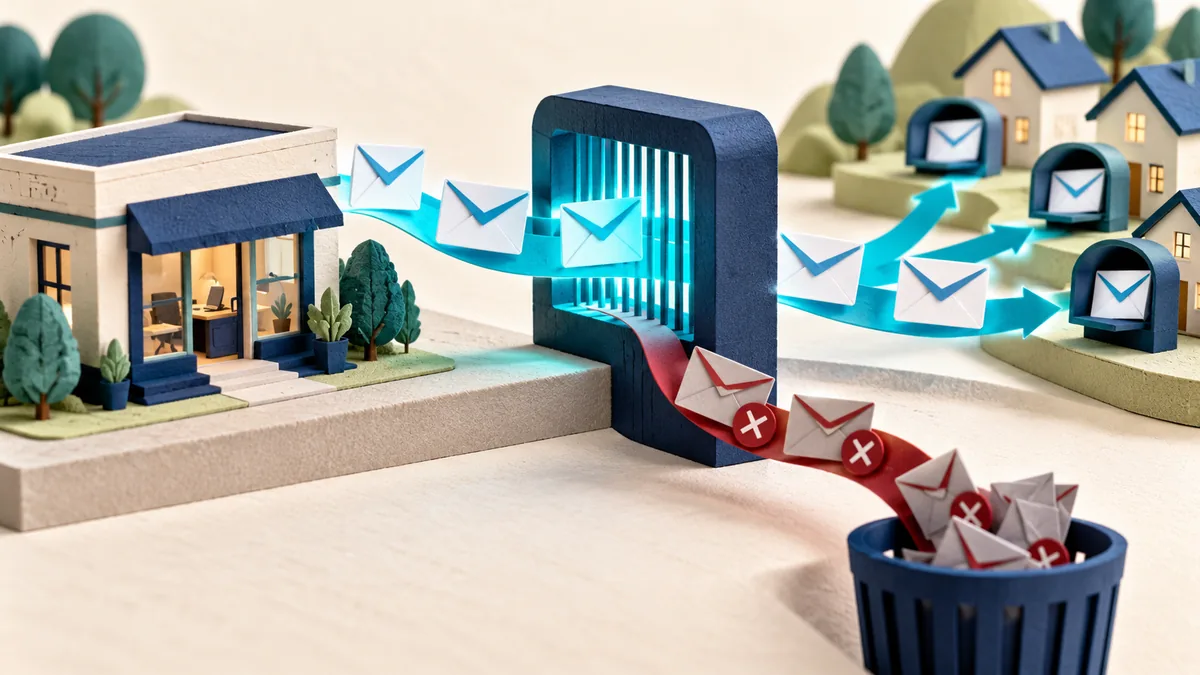
DMARC connects your domain’s email authentication results to a published policy. A successful rollout starts with a complete list of legitimate senders and careful delivery checks.

A volunteer group can lose money through a plausible payment request, especially during a change of treasurer. Keep account ownership, payment verification, and a second review explicit.

A school portal may hold sensitive family information. Use its established sign-in route, protect account recovery, and independently verify unexpected requests for fees or documents.

A shared album may use named recipients, a public link, or inherited access. Check the sharing model and test what someone outside your account can actually see.

An extension’s permissions determine what it can observe or change. Keep the extensions you need, understand their access, and remove those that no longer have a clear purpose.
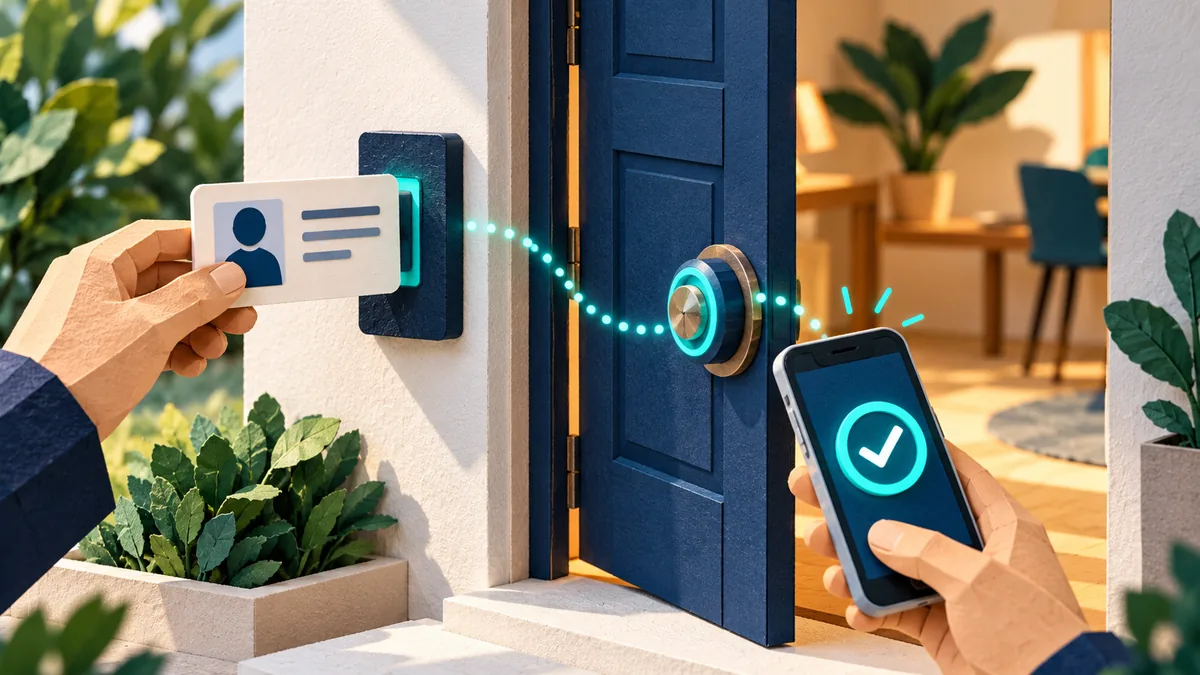
Multi-factor authentication combines different kinds of proof. Choose an appropriate method, protect recovery routes, and learn how to handle a request you did not initiate.