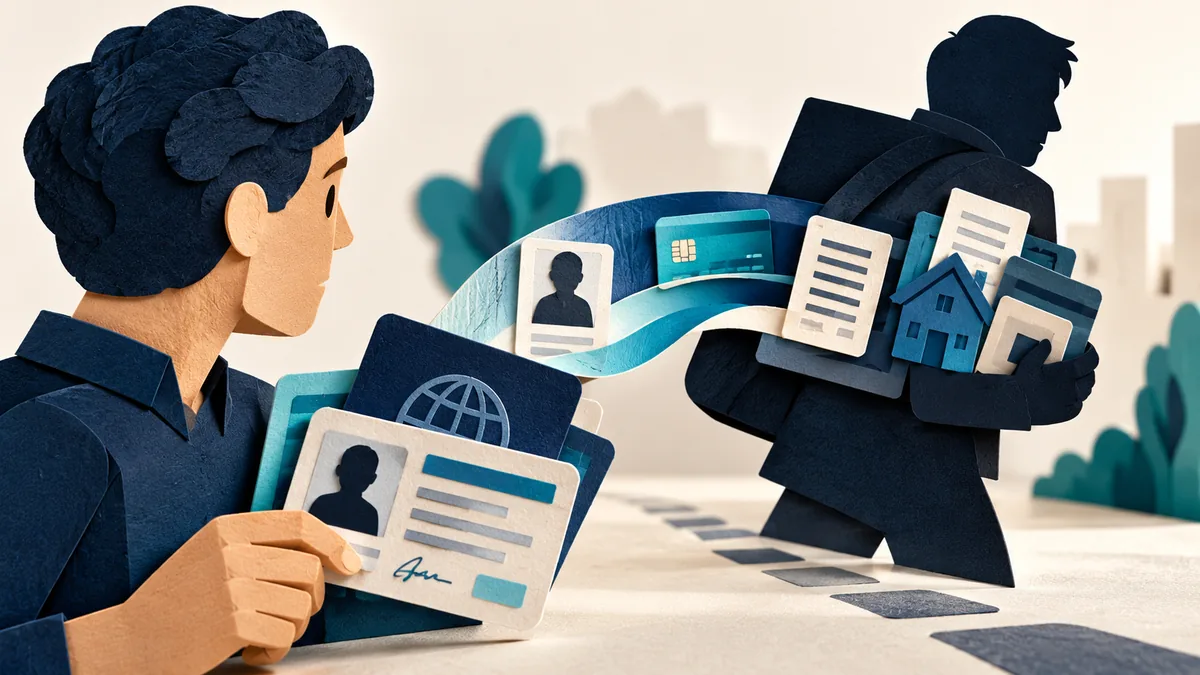
What to do if someone is using your identity
Identity misuse can involve different services and different remedies. Record what you know, secure affected accounts, and contact the organizations handling the actual misuse.


Identity misuse can involve different services and different remedies. Record what you know, secure affected accounts, and contact the organizations handling the actual misuse.

Regaining the password is only the start of account recovery. Check active sessions, recovery details, mailbox rules, connected applications, and the device used to sign in.
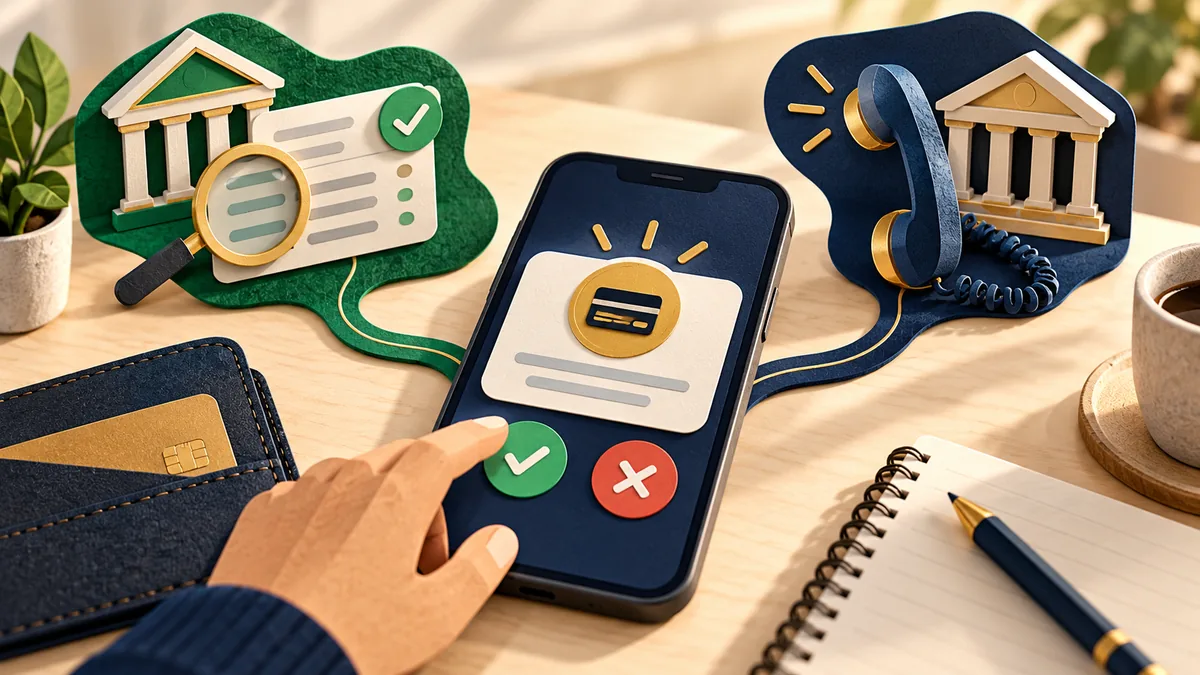
An alert might describe real account misuse or be part of a scam itself. Use the service’s established app or a trusted contact number to distinguish the two.
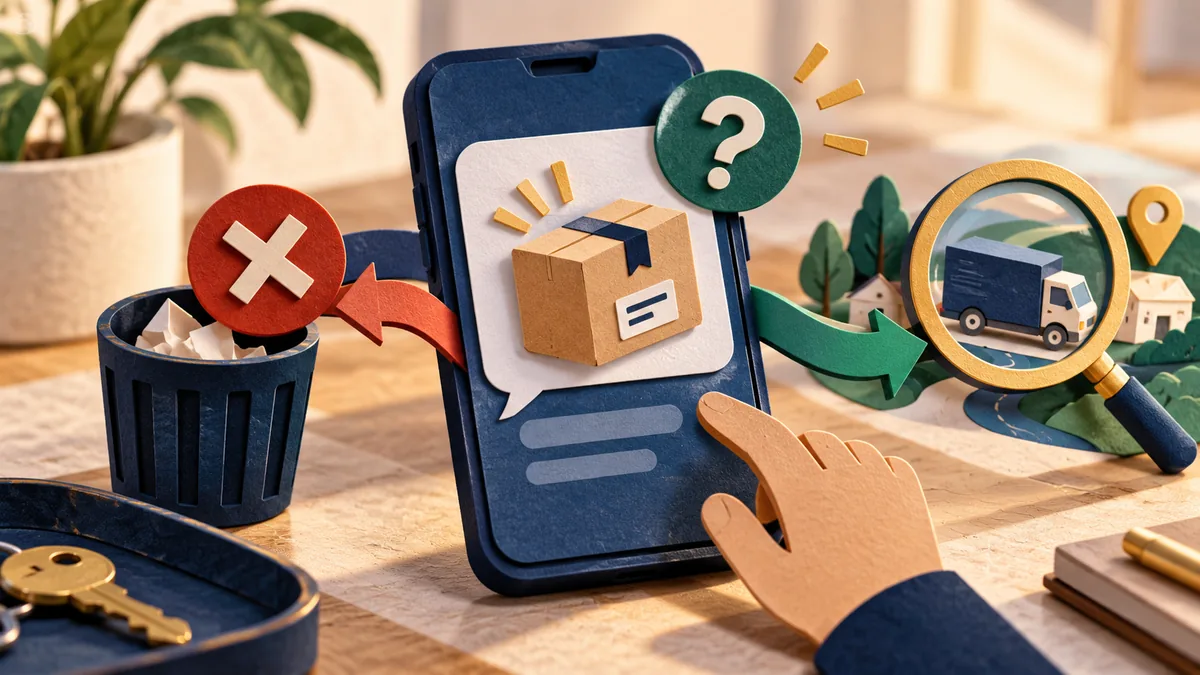
An unexpected delivery message may use a small fee or an address problem to collect card details. Check the parcel through the courier’s established app or website.

An invoice can look routine while naming the wrong beneficiary or describing work that was never agreed. Check the business context and destination before paying.

A profile can reveal more location information than its map setting suggests. Photos, routines, workplace details, and linked social accounts can combine into a recognizable pattern.
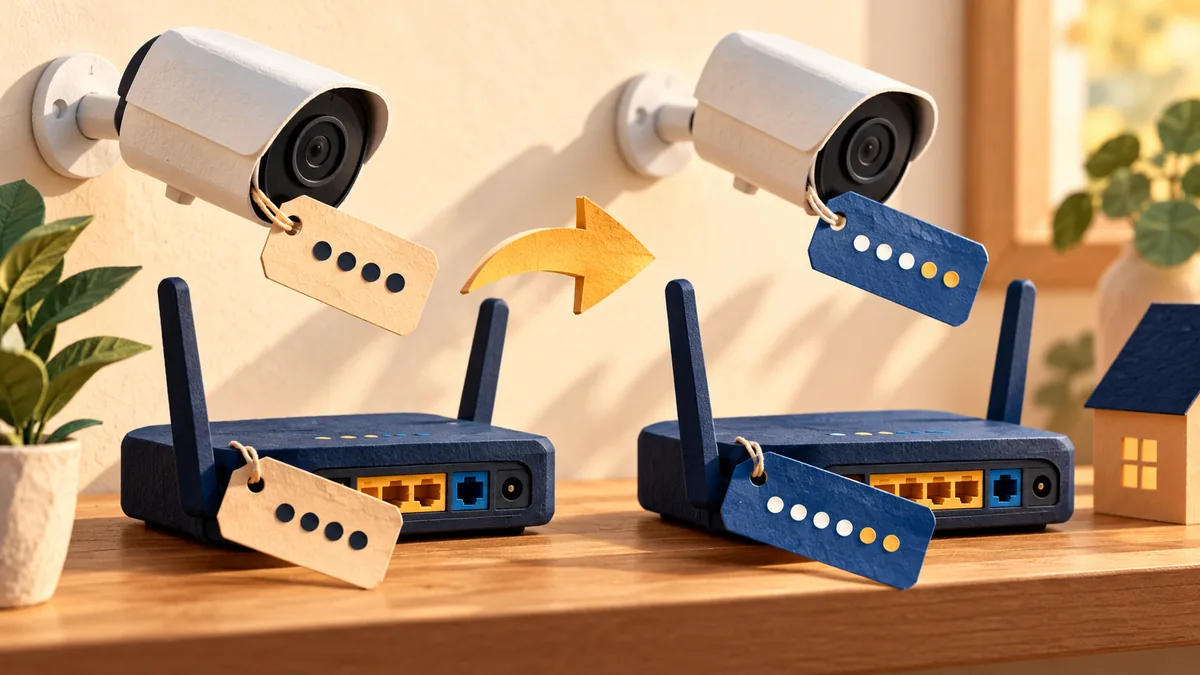
A camera or router’s factory credentials are only part of its access setup. Check local administration, cloud accounts, recovery, and any remote access that remains enabled.

Choose the network deliberately, inspect unexpected sign-in demands, and keep sharing settings appropriate for a public connection. Do not install unfamiliar software to satisfy a hotspot prompt.

Using your own charger or a suitable power bank keeps the charging route under your control. Treat any prompt for data access as a separate decision from receiving power.

An unknown USB device is not just an unexplained set of files. Connecting it can expose a computer to unexpected hardware behavior as well as unsafe content.